Toddler Brain Development: What Every Toddler-Mom Needs To Know
Have you ever looked at your toddler mid-tantrum and thought, “What is going on in that little head?” Or maybe you’ve wondered if your preschooler is learning “enough” or hitting all the right milestones. I’ve been there — more than once. The truth is, the early years are filled with massive leaps (and a few stumbles), and understanding what’s happening developmentally can take some of the pressure off.
So let’s sit down together — mom to mom — and talk about what’s really going on during the toddler and preschool years. And more importantly, how you can gently and intentionally support your child’s learning and growth in this wild and wonderful season.
The Early Years Matter More Than You Think
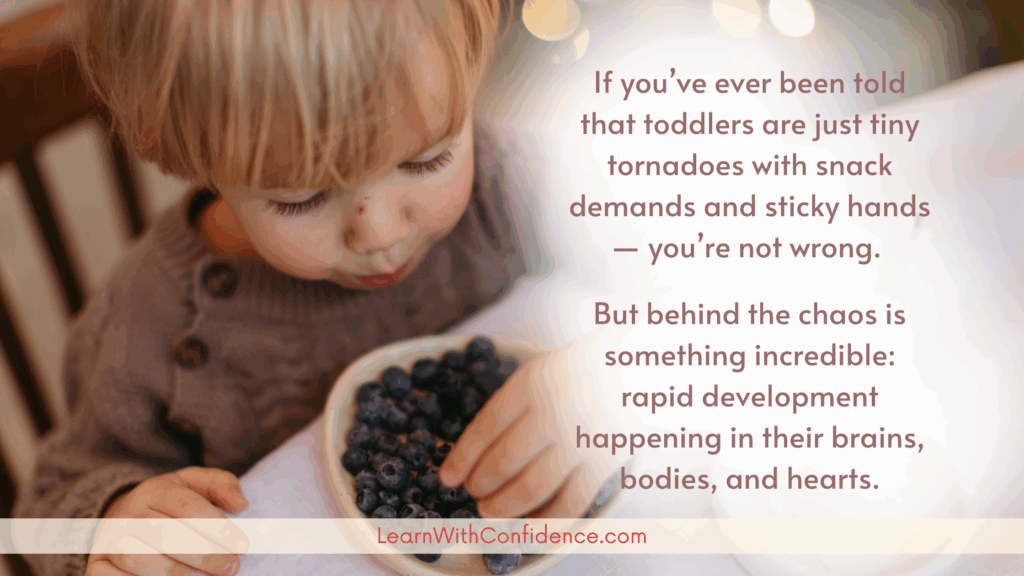
If you’ve ever been told that toddlers are just tiny tornadoes with snack demands and sticky hands — you’re not wrong. But behind the chaos is something incredible: rapid development happening in their brains, bodies, and hearts.
By age 3, a child’s brain is already 80% developed. By age 5, it’s a whopping 90%. That means most of the basic wiring that supports learning, emotional regulation, and even how they connect with others is being laid right now.
More neural connections are made in early childhood than at any other time in a person’s life. These are the mental highways your child will rely on to learn, solve problems, communicate, and navigate the world later on.
So yes — even though it feels like you’re just keeping them alive most days (again, same), every moment matters more than it may seem.
Be Their Safe Space
Before we can raise emotionally intelligent, curious little humans, we need to be their safe place.
Children thrive when their core needs — food, rest, affection, and a sense of security — are met consistently. This sense of safety allows them to step out and explore, knowing they can always come back to you.
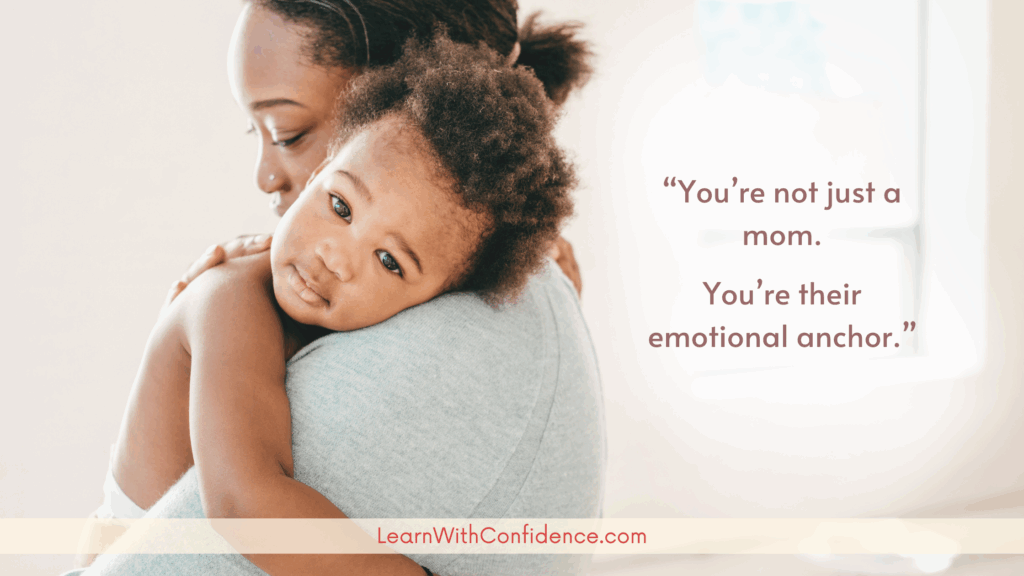
You’re not just a mom. You’re their emotional anchor.
🧡 Coregulation — When your child is melting down, your calm presence helps regulate their nervous system. You’re teaching them what it looks like to feel big feelings… and move through them safely.
🧡 Name it to tame it — By naming emotions out loud (“You look really frustrated that the tower fell”), you’re helping their brain form the connection between feeling and understanding. That’s emotional intelligence in action.
🧡 Connection before correction — When you respond with empathy first, your child learns that their feelings are safe — even when their behavior isn’t okay.
It might not feel like much, but these moments are shaping your child’s sense of self, their resilience, and their ability to handle challenges later in life.
Feed Their Curiosity with Experiences
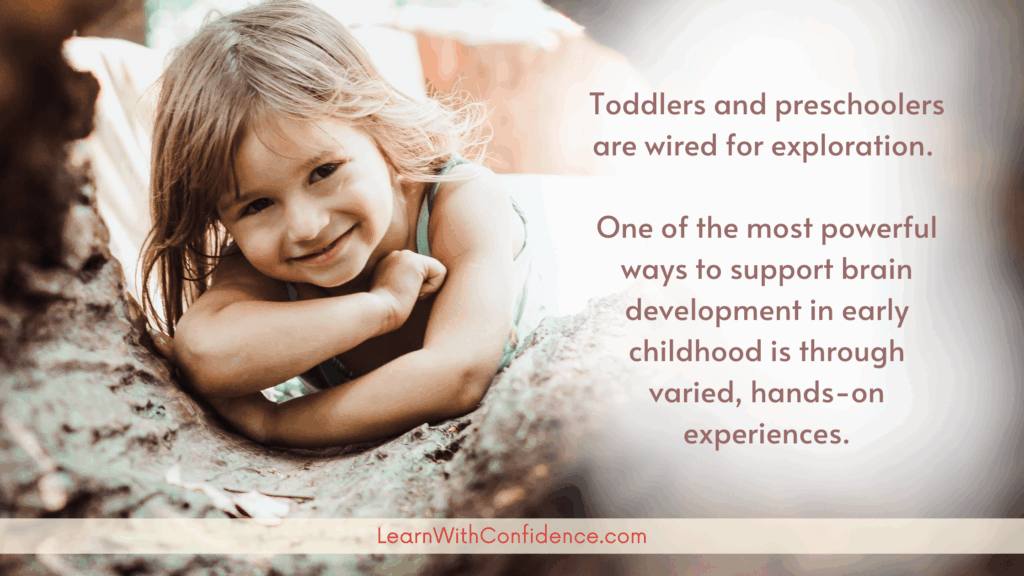
Toddlers and preschoolers are wired for exploration. You’ve probably noticed how they want to touch, smell, lick (ugh), and climb everything. This isn’t random — it’s how they learn.
One of the most powerful ways to support brain development in early childhood is through varied, hands-on experiences.
👣 Go barefoot in the grass.
🎨 Squish finger paint between their hands.
💦 Splash in water.
🪵 Climb on rocks or roll down a hill.
These sensory experiences help your child process the world — not just through logic, but through movement, touch, sound, and emotion. This is called sensory integration, and it plays a role in everything from attention span to fine motor skills to how they respond in social situations.
Try to offer a variety of experiences each week — not with a Pinterest-worthy plan, but just by saying “yes” to curiosity. Let them bake with you, help you sweep, pour water between cups, or explore a new park.
Talk and Read (A Lot)
If I could only give one piece of advice to every mom of young kids, it would be this: talk to your child constantly.
Talk about the cereal box. The clouds. Why the snail is slow. Narrate what you’re doing as you change their nappy, cook dinner, or get them dressed.
Language is the foundation for so many future skills: reading, writing, comprehension, critical thinking — even self-regulation.
📚 Read every day, even if it’s just a short board book.
🗣️ Ask open-ended questions, like “What do you think will happen next?”
🤔 Answer their million questions (okay, maybe not all of them, but lots of them).
Children who grow up in language-rich environments develop stronger communication skills — which makes it easier for them to build friendships, learn new things, and express themselves clearly.
And don’t worry about “teaching” them to read at this stage. Just focus on sharing a love for stories and building those neural pathways through connection.
Let Them Play — It’s Not Optional
Play is not a luxury. It’s not a “bonus” activity when everything else is done. It’s the primary way children learn.
When kids play, they’re practicing skills like:
🧠 Problem-solving
💬 Communication
👐 Fine and gross motor coordination
💓 Emotional regulation
👫 Social skills like sharing, turn-taking, and setting boundaries
Play also fosters imagination, self-awareness, and independence. And the best part? It doesn’t require expensive toys or fancy setups.
Let them build with blocks. Pretend to be a lion. Turn a cardboard box into a rocket. Pour sand. Mix mud.
Give them time for both structured play (like puzzles or games with rules) and open-ended, unstructured play where their creativity leads the way.
Bonus Tip: Stop Comparing
Every child develops at their own pace. And no — you’re not behind just because your friend’s toddler is already counting to 20 while yours is still calling every animal “doggie.”
Look at your child with curiosity, not judgment. Celebrate their progress, even if it looks different from others. Trust that as you offer consistent connection, conversation, and opportunities to explore, they’ll grow in exactly the way they’re meant to.
Final Thoughts: You’re Already Doing More Than You Know
If you’ve made it this far — let me say this loud and clear: You care. You’re showing up. And that matters.
The early years are intense. But they’re also the best opportunity we have to lay a strong foundation for our children’s future learning, relationships, and self-worth.
So keep talking. Keep playing. Keep being that safe space.
And on the days when you feel like you’ve done nothing but wipe noses and pour snacks? You’ve still helped shape a little brain, a big heart, and a whole future.
You’ve got this, mama. ❤️
💡 Want More?
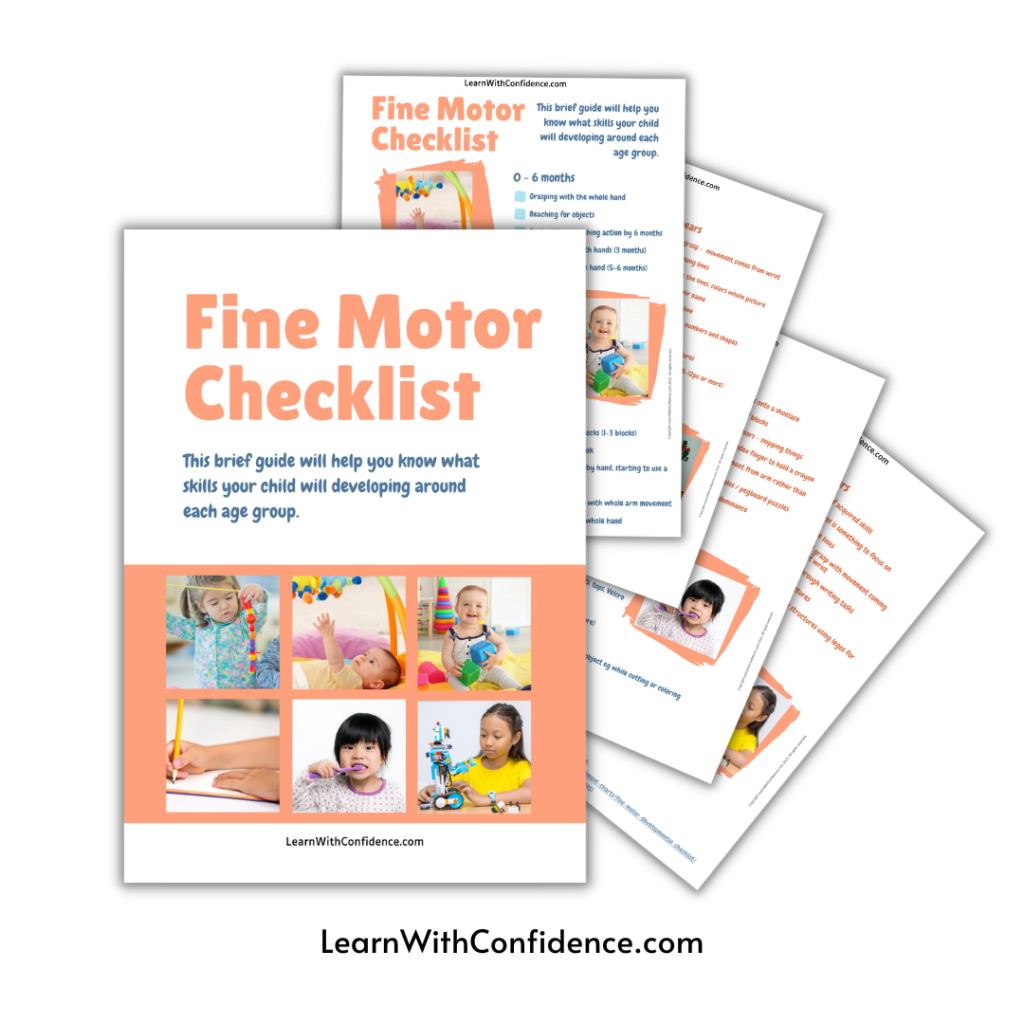
You can download our free Fine Motor Checklist or check out this guide to sensory play for easy, screen-free activities to support your toddler or preschooler’s growth.
Connect with me
Have you got a new way to play with your child while you have fun developing their fine motor skills – drop a comment to let us know!
Feel free to reach out in the comments or send me an email to connect. It’s my mission to equip and empower you to help your child succeed – you are, after all, the best person for that job, because you are the expert on your child.